August is Emergency Management Awareness Month in Florida, putting a spotlight on the people and agencies working behind the scenes to prepare communities for hurricanes, flooding, extreme heat, wildfires and other disasters.
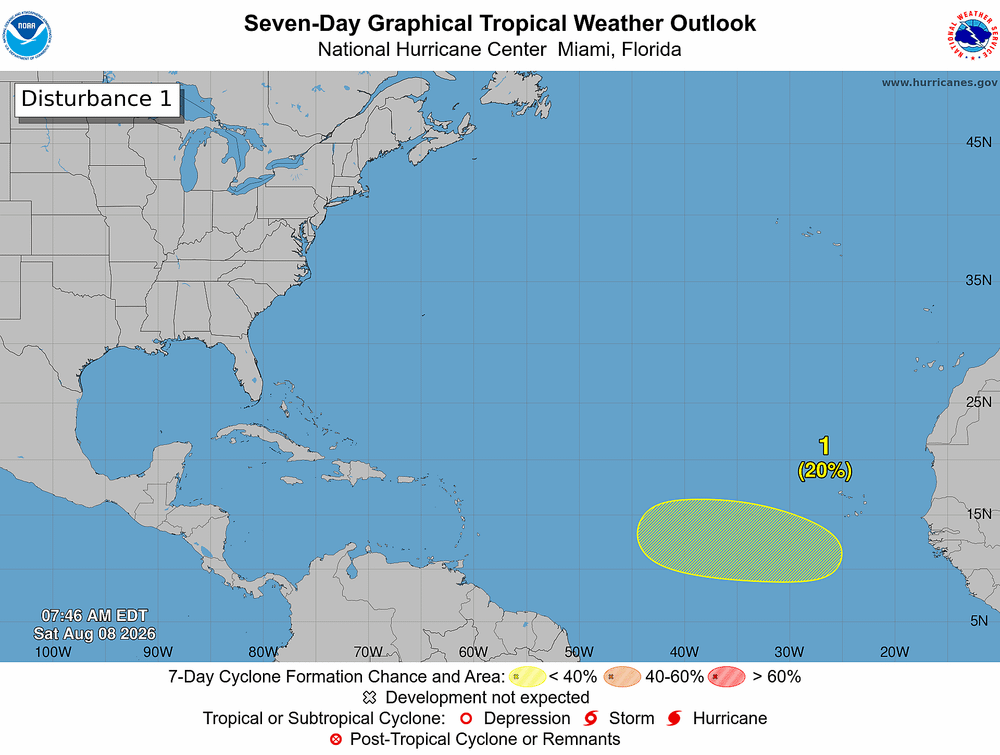
For Tampa Bay, the timing is especially relevant. August marks the beginning of the historically busiest stretch of Atlantic hurricane season, but state emergency officials say resilience requires preparing for much more than the next named storm.
Why it matters
Emergency management is a year-round cycle that includes preparedness, mitigation, response and recovery. Long before an emergency makes headlines, local and state teams are monitoring threats, developing plans, coordinating resources and working to reduce potential impacts.
The work can determine how quickly communities respond when roads flood, power fails, wildfires threaten neighborhoods or a hurricane approaches and how effectively they recover afterward.
“Emergencies don't follow a schedule, and neither does emergency management,” said Florida Division of Emergency Management Director Kevin Guthrie while kicking off the awareness month.
Guthrie said Florida's recent combination of tropical weather, heat, wildfires and agricultural concerns demonstrates why emergency planning cannot focus on hurricanes alone.
Know your zone before the storm
Tampa Bay residents have more preparedness tools than ever, but most of them only work if you set them up before a warning goes out. Here is a short guide to the three steps that matter most.
Start with your evacuation zone
Your evacuation zone is not the same as your flood zone, and it decides when you leave. Florida's Know Your Zone lookup lets you search any address statewide, with Zone A evacuating first and Zone E last. Hillsborough County residents can go a step further with the Hurricane Evacuation Assessment Tool, which searches by address, owner name or parcel number and produces printable zone maps.
Sign up for county alerts
County notification systems reach you by call, text and email, but only if you register. Alert Pinellas allows subscribers to monitor up to five addresses, and the county sent 472 notifications to more than 114,000 subscribers in 2024. Pasco County residents can opt in through Alert Pasco, and Tampa posts ordinances, declarations and hurricane guides through its Office of Emergency Management.
Build your plan and kit
The City of Tampa's I Am Tampa Ready page walks through disaster supply kits built on the assumption that you may be on your own for several days after impact. The Tampa Bay Regional Planning Council publishes All-Hazards Disaster Planning Guides by county, covering hurricanes, floods, tornadoes and hazardous materials incidents, with evacuation routes, shelter lists and Spanish translations. For help drafting a family plan, 211 Tampa Bay Cares offers templates and checklists, and residents can dial 211.
Numbers to save now
Program these into your phone before the season peaks:
- Florida Emergency Information Line: 800-342-3557
- FEMA: 1-800-621-FEMA
- Florida Division of Emergency Management: 850-815-4000
- Price gouging hotline: 866-966-7226
- Hillsborough County Emergency Management: 813-272-6600
- Pinellas County Emergency Management: 727-464-3800
Employers should not wait until after landfall to think about continuity. The Tampa Bay Chamber maintains a consolidated hub with utility outage maps and damage self-reporting links, and the regional planning council staffs a Disaster Recovery Grants Coordinator at 727-570-5151 to help businesses navigate multi-agency funding after an event.
Bottom line
A quieter weather pattern doesn't eliminate Tampa Bay's risk. Resilience is built before an emergency occurs, not once the warnings begin.
“Preparedness starts long before an emergency, and together we can build a stronger, more resilient Florida,” Guthrie said.
Throughout August, the Florida Division of Emergency Management plans to share preparedness tips, resources and information about the people and programs supporting Florida communities before, during and after disasters.