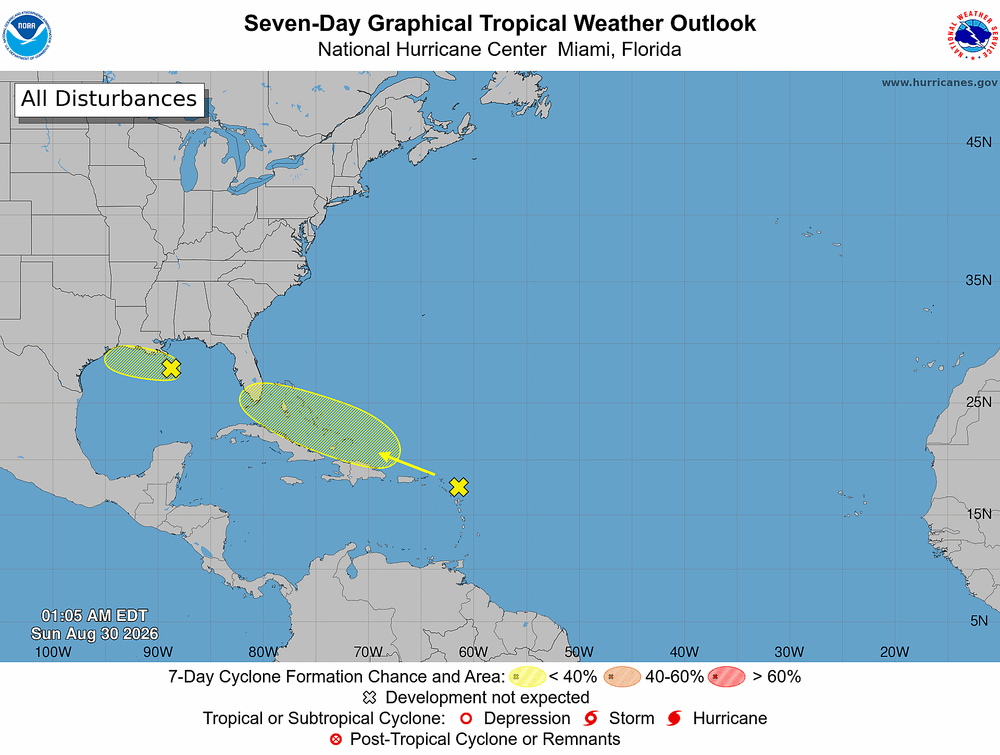
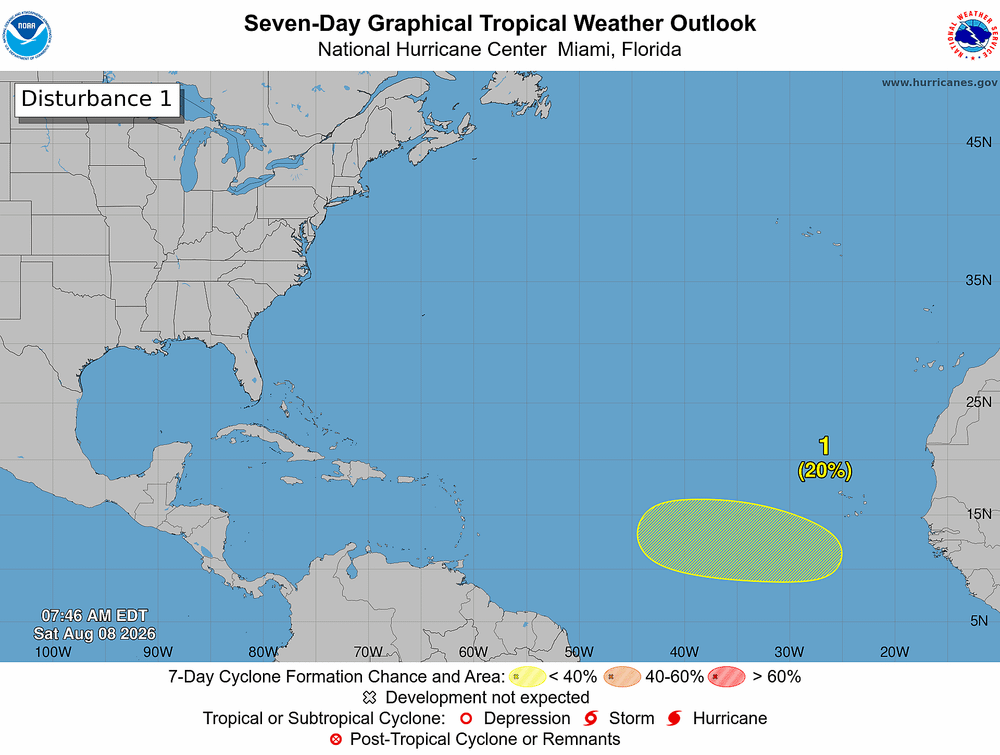
The calendar has turned to August, and with it comes the most active period of the Atlantic hurricane season. While forecasters are not expecting an exceptionally busy season overall, emergency managers stress that seasonal outlooks don't reduce the risk to any one community.
Why it matters: Roughly 25% of all named storms and 30% of hurricanes form during August, with activity continuing to climb into September.
For Tampa Bay, the greatest threat isn't necessarily a direct major hurricane. Flooding rain, storm surge, tornadoes, prolonged power outages and inland flooding have caused some of the region's most disruptive disasters.
Recent history is a reminder.
The National Weather Service says Hurricanes Helene and Milton in 2024 produced historic storm surge, flooding rainfall, damaging winds and tornadoes across West Central Florida. Earlier that same season, Hurricane Debby brought 15 to 20 inches of rain to parts of Manatee and Sarasota counties, leading to flooded neighborhoods, road closures and water rescues.
The trend
Recent disasters show that resilience is about preparing for all hazards, not just wind speed.
Tampa Bay residents should be ready for:
- Flash flooding from slow-moving tropical systems.
- Extended power outages that can last days.
- Dangerous storm surge along the coast.
- Tornadoes embedded in tropical rain bands.
- Road closures and transportation disruptions.
- Communications outages and limited access to fuel or groceries after a storm.
What you can do this week
Peak hurricane season is the ideal time to:
- Review your evacuation zone and evacuation route.
- Build or refresh an emergency kit with at least several days of food, water, medications and batteries.
- Charge backup power banks before storms threaten.
- Protect important documents in waterproof containers or digital storage.
- Trim trees and secure outdoor furniture before watches or warnings are issued.
- Have a plan for pets, older adults and anyone with medical needs.
- Sign up for local emergency alerts.
Don't let a "quiet" forecast create complacency
Even during seasons forecast to have fewer storms, a single hurricane can have devastating consequences. Hurricane Andrew, Hurricane Charley and Hurricane Ian all occurred during seasons where local impacts far outweighed seasonal storm totals.
Bottom line: Hurricane season doesn't peak because of the number of storms on a forecast; it peaks because environmental conditions become increasingly favorable for tropical development. For Tampa Bay, August is the time to finish preparations, not begin them. One storm is all it takes to test your family's disaster resilience.