Florida is entering one of the busiest periods of the Atlantic hurricane season, with August historically marking a sharp increase in hurricane activity across the Sunshine State.
Why it matters: Hurricane season becomes significantly more active in August. Historical records show the U.S. has experienced more hurricane landfalls in August than in June and July combined, with Florida leading the nation in August hurricane strikes.
South Florida faces a unique risk later in the season, with hurricane activity remaining high into October as storms develop in the Caribbean or curve out of the Gulf of Mexico.
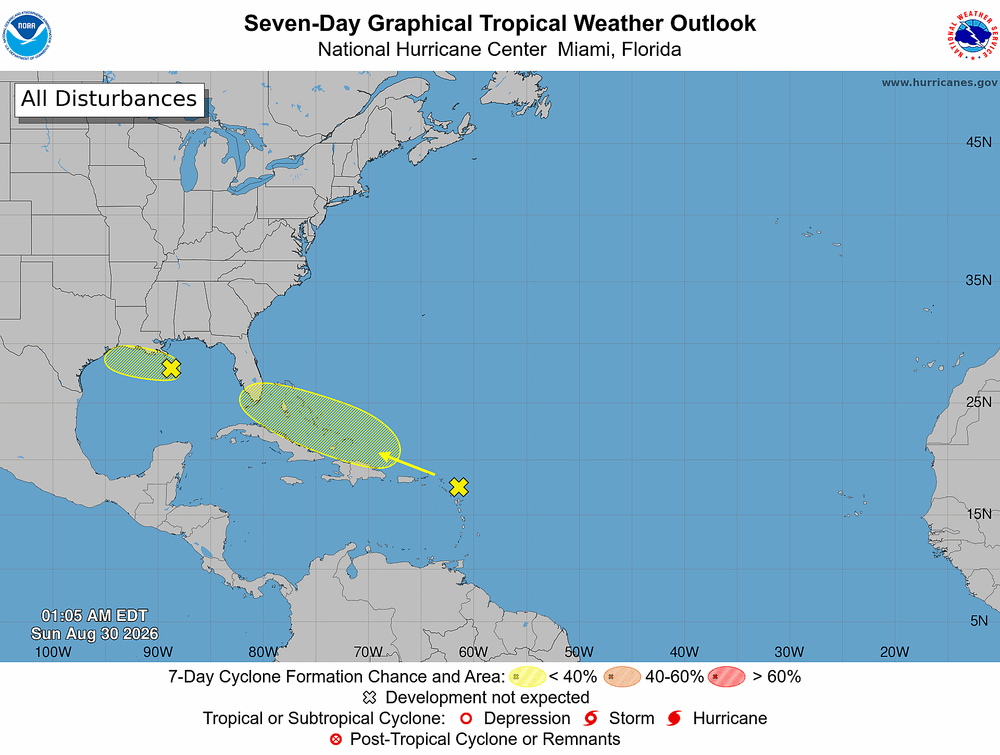
Forecasters say the first week of August is expected to remain quiet, although computer models are monitoring a weak disturbance that could develop off the southeastern U.S. late next week. Current development odds remain low, around 10%, and there is no immediate threat to Florida.
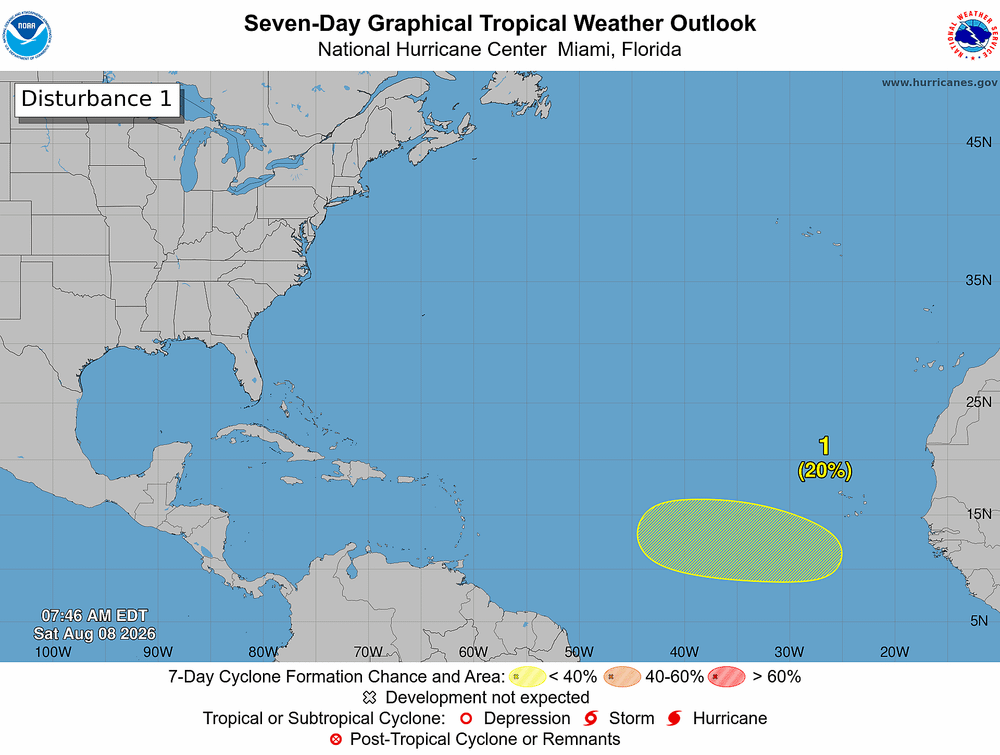
Meteorologists are also watching a tropical wave moving across the Atlantic's Main Development Region, though any potential development remains days away.
What Florida residents should do now:
- Review evacuation zones and emergency plans.
- Replenish hurricane supplies before stores become crowded.
- Check flood and homeowners insurance coverage.
- Monitor trusted forecasts as the climatological peak of hurricane season approaches.
Bottom line: The tropics are quiet for now, but August marks the beginning of Florida's most active stretch of hurricane season. Forecasters say now is the time to prepare, because historically, it only takes one storm to make it a dangerous season.