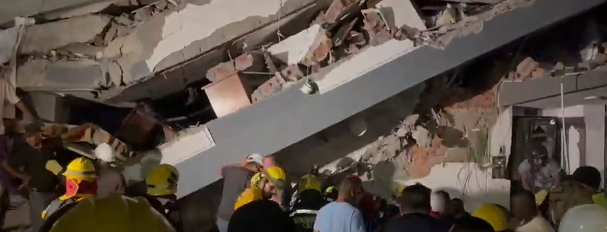
At least 111 people have been killed after a powerful magnitude 7.4 earthquake struck western Colombia Monday, triggering building collapses and a massive search-and-rescue operation.
Officials also say at least 188 people are missing in Cali, one of the cities hit hardest by the earthquake. Search crews are continuing to work through damaged and collapsed structures as authorities assess the full scale of the disaster.
The earthquake's epicenter was near San José del Palmar in Colombia's Chocó province, while the highest reported death toll has been in Risaralda province.
Colombia's geological service said the earthquake was the strongest recorded in the country during the 21st century. At least 21 aftershocks had been recorded by late Monday, with additional tremors possible.
Search for survivors continues
Emergency crews, police and volunteers have been digging through collapsed structures and moving debris by hand as they search for people who may still be trapped.
What this means for Tampa Bay
The earthquake does not pose a tsunami threat to Tampa Bay or Florida's Gulf Coast based on its inland location in Colombia.
For Tampa Bay, however, disasters like this reinforce a broader resilience lesson: some emergencies provide little or no time to prepare once they begin.
While earthquakes of this magnitude are not a primary Tampa Bay hazard, tornadoes, flash floods, severe thunderstorms, fires and other emergencies can develop quickly. Families should have multiple ways to receive emergency alerts, know where they would shelter or evacuate and keep essential supplies accessible.
The devastation in Colombia is another reminder that preparedness starts before the emergency, not after it happens.
