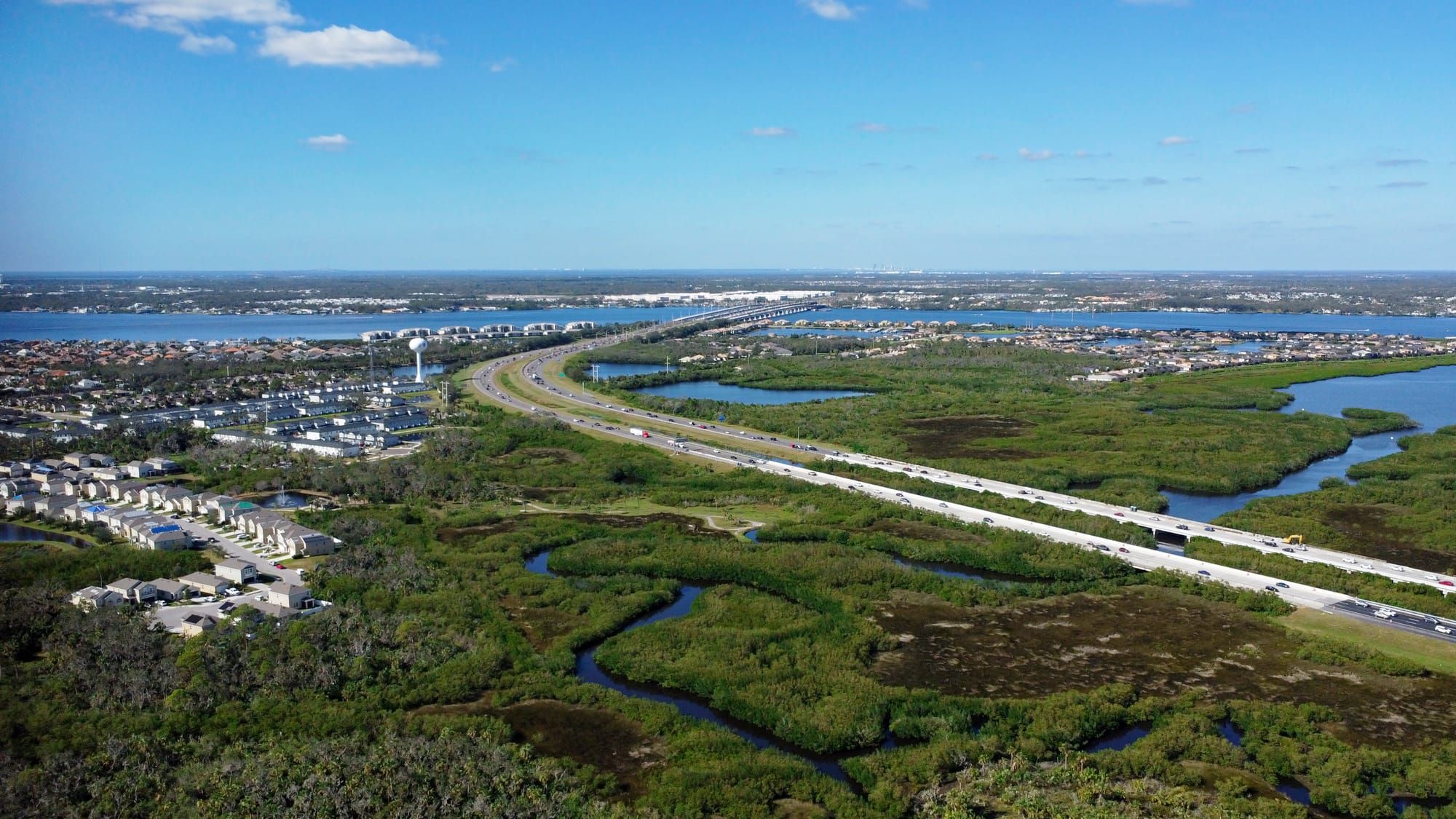
A broken county wastewater pipe released nearly 17,700 gallons of raw sewage near the Manatee River in July, with roughly 9,700 gallons reaching stormwater ponds and a mangrove area connected to the river before crews stopped the leak.
Why it matters: Sewage spills can temporarily increase bacteria levels in nearby waterways, particularly after heavy rain. Even when long-term impacts are limited, residents should use caution until water quality is confirmed.
County crews repaired the broken force main the same night and collected water samples to test for fecal coliform and E. coli bacteria.
According to Manatee County, follow-up testing found minimal, if any, ongoing impact to the river, with bacteria levels consistent with normal background conditions.
What residents should be cautious about
Following any sewage spill, health officials generally recommend:
- Avoid swimming or wading near the affected area until water quality is confirmed.
- Keep children and pets out of discolored or contaminated water.
- Avoid fishing or harvesting shellfish from affected waterways if advisories are issued.
- Wash thoroughly if you come into contact with floodwater or potentially contaminated water.
- Never assume stormwater ponds are safe after heavy rain or a wastewater overflow.
Disaster resilience starts underground
The spill also underscores an often-overlooked part of disaster resilience: aging wastewater infrastructure.
Heavy rainfall, flooding, power outages and aging pipes can all increase the risk of sanitary sewer overflows. Modernizing wastewater systems helps protect public health, preserve waterways and reduce environmental impacts during severe weather.
Bottom line: County officials say this spill does not appear to have caused lasting water quality problems, but it serves as a reminder that protecting critical infrastructure is essential to keeping Tampa Bay's rivers, neighborhoods and ecosystems resilient before the next major storm.