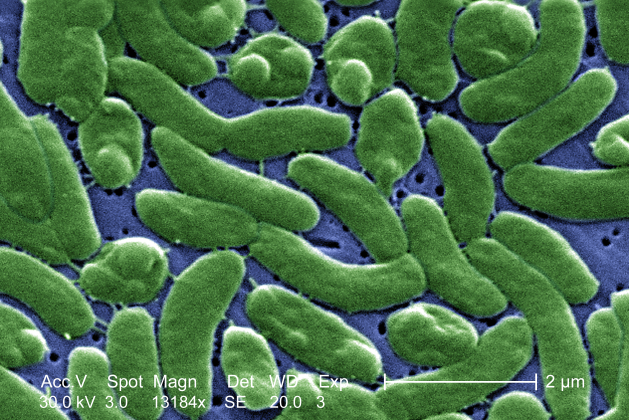
A potentially deadly bacteria found naturally in warm coastal waters is again drawing attention across the Gulf Coast, making water safety especially important for Tampa Bay residents during the summer.
Seven people have died from Vibrio vulnificus infections in Florida and Louisiana so far this year. Florida has reported at least 14 cases and two deaths, while Louisiana has reported nine cases and five deaths.
Sometimes called a “flesh-eating” bacteria because severe infections can rapidly destroy skin and tissue, Vibrio vulnificus thrives in warm saltwater and brackish water, a mixture of fresh and salt water.
For Tampa Bay, the message isn't to avoid the coast. It's to understand the risk and take precautions before swimming, boating, fishing or handling seafood.
Why Tampa Bay residents should pay attention
Vibrio infections tend to occur more frequently during warmer months, when coastal water temperatures rise.
People can become infected when an open cut, scrape or wound comes into contact with contaminated coastal water. Infection can also occur from eating raw or undercooked shellfish, particularly oysters.
The bacteria does not spread from person to person.
While infections are uncommon, they can become serious quickly. According to the Centers for Disease Control and Prevention, about one in five people with a Vibrio vulnificus infection dies, sometimes within one or two days of becoming ill.
People with liver disease, diabetes, weakened immune systems and certain other chronic health conditions face a higher risk of developing severe illness.
Before heading into Tampa Bay waters
A little preparation can significantly reduce your exposure. Residents and visitors should:
- Check your skin before getting in the water. Cuts, scrapes, recent surgical wounds, piercings and other breaks in the skin can provide a pathway for bacteria.
- Keep wounds out of coastal water. If exposure can't be avoided, use a waterproof bandage that completely covers the area.
- Wash wounds immediately after exposure. Use soap and clean running water if a cut or scrape comes into contact with saltwater, brackish water or raw seafood.
- Cook shellfish thoroughly. Avoid raw or undercooked oysters and other shellfish, particularly if you're at increased risk of serious infection.
- Don't ignore rapidly changing symptoms. Fever, chills, redness, swelling, severe pain, blistering or darkening skin after coastal-water exposure requires prompt medical attention.
Water safety is part of summer preparedness
During Florida's hottest months, knowing about environmental health hazards can also prevent an ordinary beach, boating or fishing trip from becoming an emergency.
Vibrio vulnificus is naturally present in the environment, so its presence doesn't necessarily mean a beach or waterway is contaminated or unsafe for everyone.
Instead, know your personal risk before entering the water, protect open wounds and act quickly if symptoms develop.
For most people, a day on Tampa Bay can still be enjoyed safely. The key is knowing when a seemingly minor cut means it's better to stay out of the water.